



Peru advances mechanisms to attract resources for biodiversity conservation
26/03/2026
Biodiversity credits: Lessons from Kenya and Latin America
27/03/2026Peru advances mechanisms to attract resources for biodiversity conservation
26/03/2026Biodiversity credits: Lessons from Kenya and Latin America
27/03/2026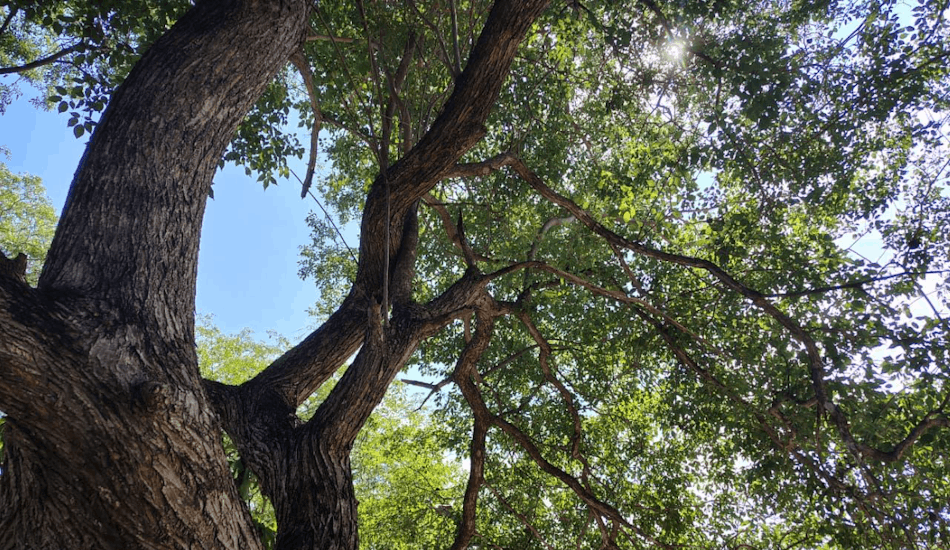
Terrasos expands the Mata de Lata Habitat Bank with the Villa Paula property.
Valledupar, Cesar. In a significant step forward for strategic environmental management in Colombia’s Caribbean region, Terrasos announces the approval of registration by the Ministry of Environment and Sustainable Development (MADS) for the Villa Paula expansion. This technical and legal milestone consolidates the Tropical Dry Forest Habitat Bank – Mata de Lata as one of the most robust and efficient conservation hubs in the region.
With the addition of these new hectares, the project not only expands its conservation boundary but also offers an immediate and long-term solution for companies seeking to meet their environmental obligations effectively and under high-quality standards.
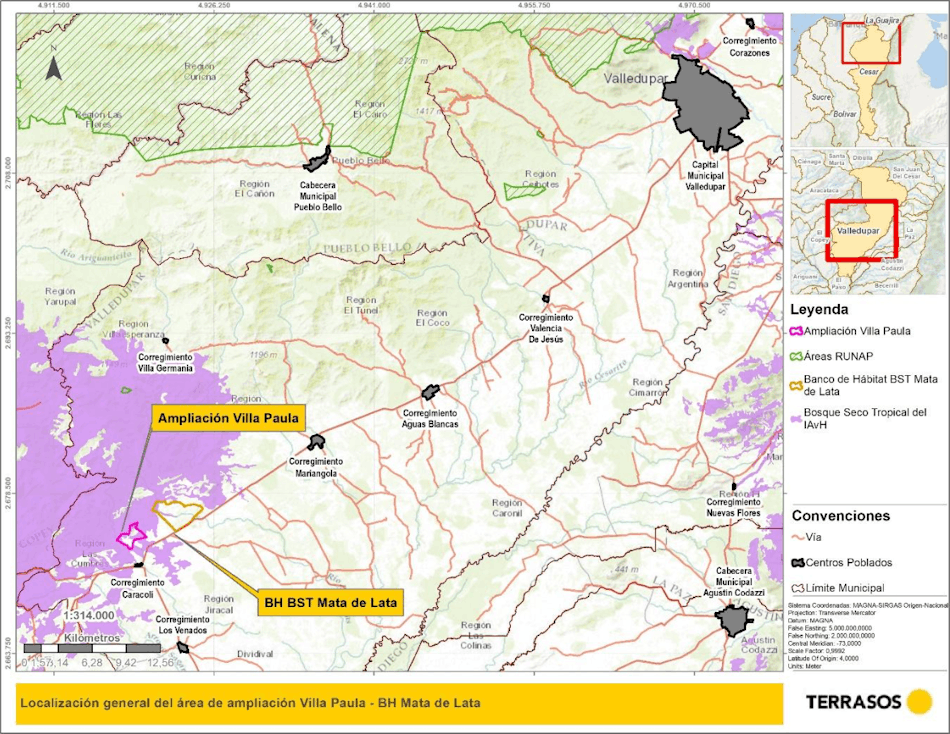
Image: General location of the Mata de Lata Habitat Bank. Terrasos 2025.
Villa Paula: More hectares for the Tropical Dry Forest
The Villa Paula expansion adds 258.41 hectares of strategic ecosystems, located in the district of Caracolí, municipality of Valledupar. With this official registration, the Mata de Lata Habitat Bank reaches a total area of 968.76 hectares.
This area integrates into the biological corridor of the Tropical Alternohygrophilous Zonobiome of Ariguaní-Cesar, a critical zone for species connectivity in a department where the Tropical Dry Forest has historically faced significant pressures.
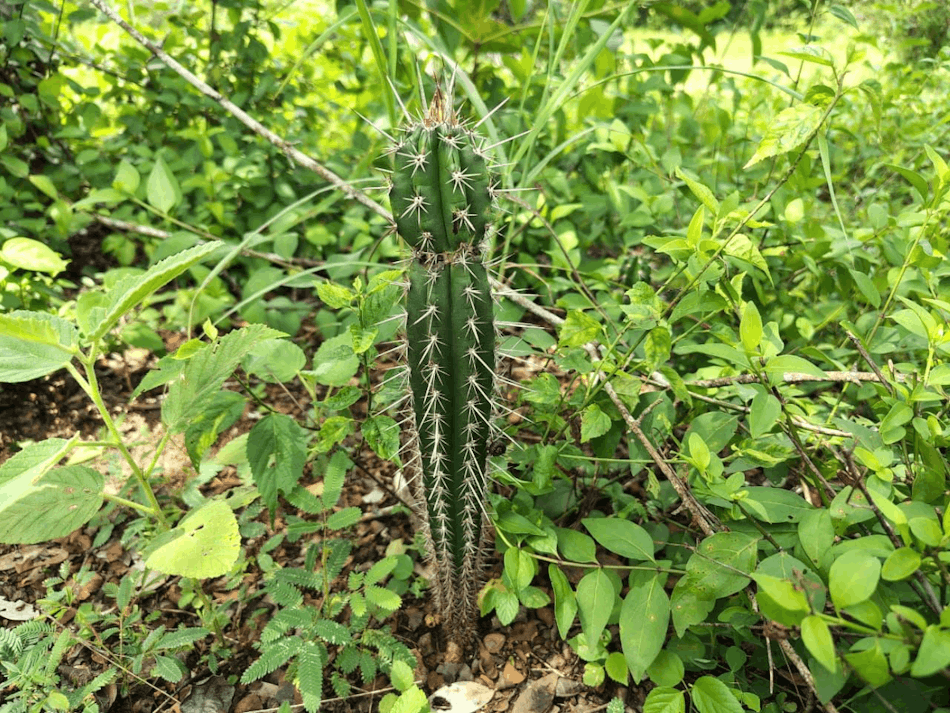
Image: Stenocereus hexagonus. Terrasos 2025.
Biodiversity with technical and scientific value
The baseline characterization carried out by the Terrasos technical team has identified exceptional biological richness, confirming Villa Paula as a high-integrity node for the Tropical Dry Forest. Notable findings include:
- Threatened flora: A total of 178 plant morphospecies were identified, including 8 species of conservation importance. Among them are sangregado (Pterocarpus acapulcensis), classified as Vulnerable (VU), and species listed under CITES Appendix II, such as polvillo (Handroanthus ochraceus), cañaguate (Handroanthus billbergii), and Stenocereus hexagonus, all essential to forest structure.
- Avifauna corridor: A total of 157 bird species were recorded, including 27 species listed under CITES Appendix II (owls, hummingbirds, hawks), as well as the notable presence of the red-and-green macaw (Ara chloropterus), representing key biological richness for the ecosystem stability of the Garupal River basin.
A strategic solution for offsets and 1% investments
For the infrastructure, energy, mining, and hydrocarbons sectors with projects in Cesar, the expansion of Mata de Lata translates into operational efficiency. The Habitat Bank enables environmental license holders to channel requirements such as:
- Biotic component offsets: Compliance with biodiversity loss obligations through pre-registered and verified habitat credits.
- Mandatory investments of no less than 1%: A high-impact technical alternative for executing these resources under a performance-based payment scheme that removes operational uncertainty for companies.
- Offsets for the use of threatened or restricted species: A high-impact conservation strategy that enables the protection, restoration, and sustainable management of ecosystems hosting threatened wildlife.
By acquiring biodiversity credits within the Habitat Bank, organizations transfer the technical and legal responsibility for implementation to Terrasos, ensuring that every dollar invested generates net biodiversity gains under a fiduciary structure that guarantees full transparency.
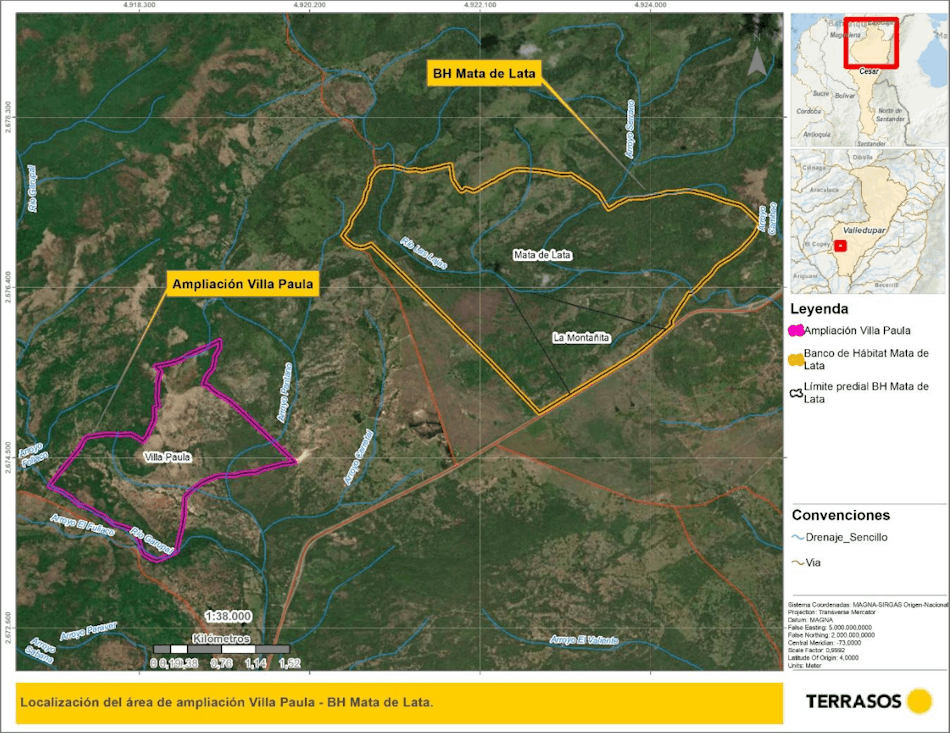
Image: Areas of the Mata de Lata Habitat Bank. Terrasos 2025.
Vision for the future: Conservation at scale
The approval of Villa Paula by the Ministry of Environment as an expansion area of the Tropical Dry Forest Habitat Bank – Mata de Lata reaffirms confidence in the Habitat Bank model as the most powerful tool for balancing economic development with the integrity of our natural ecosystems.
In this context, not only has the Ministry of Environment endorsed the expansion of the Mata de Lata Habitat Bank as a key conservation strategy for the tropical dry forest, but the National Environmental Licensing Authority has also approved, to date, the implementation of biotic component offsets across nearly 118 hectares, which are ready to begin activities under restoration and preservation approaches. This consolidates the bank as an effective instrument that drives long-term conservation of one of the country’s most degraded and vulnerable ecosystems: the tropical dry forest.
Our goal is clear: to transform legal obligations into environmental assets that not only ensure regulatory compliance but also restore functionality to Colombia’s most threatened ecosystems. The consolidation of nearly 1,000 hectares in Cesar stands as proof that private conservation—when technically and financially sound—is the best path to securing a natural legacy for decades to come.
Would you like to manage your environmental obligations through biodiversity credits? Contact our team of specialists to learn more about availability in our Habitat Banks.