



Terrasos expands the Mata de Lata Habitat Bank with the Villa Paula property
26/03/2026
Terrasos strengthens its impact on conservation: The Mata de Lata Natural Reserve joins Resnatur
01/04/2026Terrasos expands the Mata de Lata Habitat Bank with the Villa Paula property
26/03/2026Terrasos strengthens its impact on conservation: The Mata de Lata Natural Reserve joins Resnatur
01/04/2026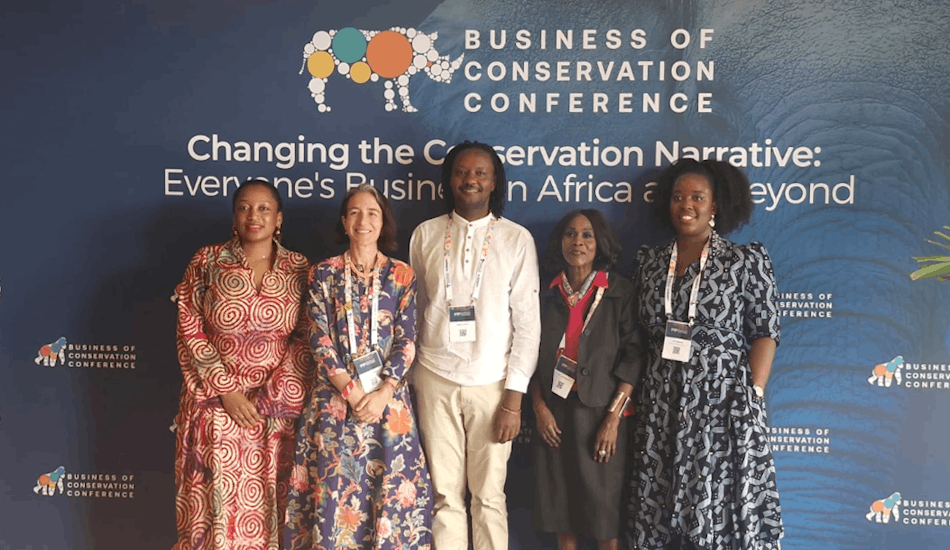
Biodiversity credits: Lessons from Kenya and Latin America.
Terrasos participated in the Business of Conservation Conference 2026 in Kenya, organized by African Leadership University (ALU), with the goal of understanding how biodiversity credits, environmental offsets, and conservation mechanisms are being structured in Africa. Beyond the formal agenda, what we found was a strategic convergence between two key regions of the planet: Africa and Latin America. Two distinct territories, yet with similar conditions: high biodiversity, increasing development pressure, and a unique opportunity to shape the nature markets of the future.
“It was very interesting to see that there is an ecosystem of organizations with strong capabilities, solid governance models, and a meaningful track record in conservation. We also gained a deeper understanding of the Conservancies model”. Vanessa García, Terrasos
The objective of Conservancies is to transform Africa’s wild lands—occupied by communities surrounding national parks—into “prosperous buffer zones” with multiple land uses and diverse income streams, recognized as community conservation areas.
Source: https://africanconservancies.org/
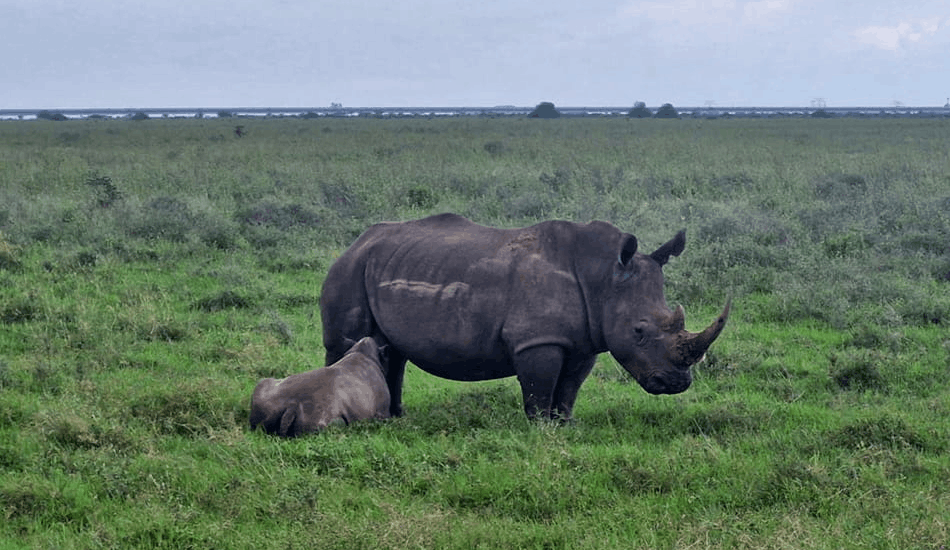
Photo: Rhinoceros and its calf. Kenya National Park. March 2026.
In both Latin America and Africa, the challenges are similar: infrastructure expanding into biodiverse territories, the need for more robust, traceable, and verifiable environmental offsets, and a growing demand for reliable financial mechanisms that integrate biodiversity into decision-making.
Terrasos participated in the panel Investing in the Nature Economy: From Theory to Practice – Developing viable, scalable solutions that meet investor requirements on March 4, as well as in the Review Day focused on scaling up high-integrity nature solutions, contributing insights drawn from over 12 years of technical experience.
From theory to practice: Implementing biodiversity credits
There is a narrative difference that creates a strategic opportunity for Latin America. While Africa has built a powerful global narrative around iconic species such as giraffes and rhinoceroses, in our region value often lies in less visible species with extremely high endemism and ecological relevance—such as the Chocó tree frog.
From a technical perspective, ecological value does not depend on a species’ visibility, but on its role within the ecosystem. The current challenge is translating this biological complexity into a value language that connects local projects with global nature markets.
South-South collaboration: Leading the global market
Terrasos’ participation also sends an important signal. “We were the only Latin American company participating in the panels, which confirms that we are pioneers in South-South collaboration for these types of mechanisms and markets,” said Vanessa García, Head of Strategic Partnerships at Terrasos.
Africa contributes territorial governance models and a well-established narrative; Latin America contributes experience in environmental offsets and implementation in complex territories. This convergence makes it possible to jointly define how biodiversity markets are structured globally—ensuring that solutions are not merely theoretical, but operational and scalable.
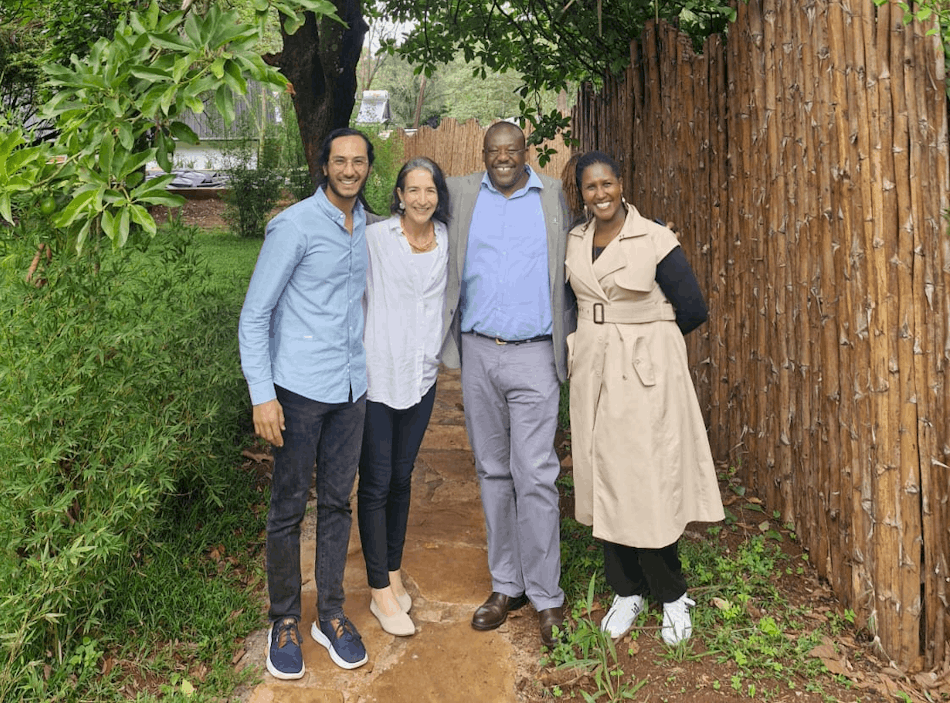
Photo: From left to right: Viraj Sikand, CEO & Co-Founder, Kenya EarthAcre; Mariana Sarmiento, CEO, Terrasos; Dickson Kaelo, CEO of Kenya Wildlife Conservancies Association (KWCA).
The future of the environmental ecosystem depends on our ability to embed biodiversity into the language of risk, infrastructure, and business strategy. The conservation of the future will not rely solely on intent; it requires robust, measurable, and verifiable mechanisms that connect nature with real business decisions.
At Terrasos, we remain focused on this purpose: designing solutions where biodiversity becomes a strategic and quantifiable variable. We are confident in our ability to achieve the conservation goals we believe in, and we are ready to support organizations on this path toward meaningful and lasting impact.
If your organization is exploring biodiversity credits, environmental offsets, or impact strategies, Terrasos can help you structure the path forward.