


Tebu Quantification
Quantification is the process that translates conservation and restoration actions into clear, traceable, and comparable Biodiversity Units. This system ensures that each unit reflects real, measurable outcomes under a results-based payment scheme that promotes transparency and prevents double counting.
To guarantee this, Tebu units are not issued all at once, they are released gradually as the project meets verified ecological and management milestones, offering greater assurance to investors and buyers.
How Many Tebu Can a Project Issue?
Step 1: Assign Scores to Each Differentiating Factor
The number of potential Tebu units a project can generate is determined by five key factors: the ecosystem involved, connectivity, community participation, project duration, and the area dedicated to preservation or restoration.
Each factor receives a score on a scale from 0 to 0.2. All factors carry similar weight to ensure the units reflect both technical effort and ecological/social impact.
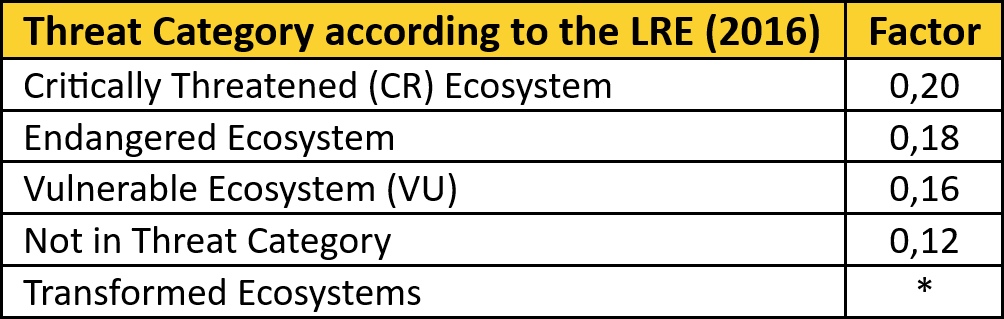
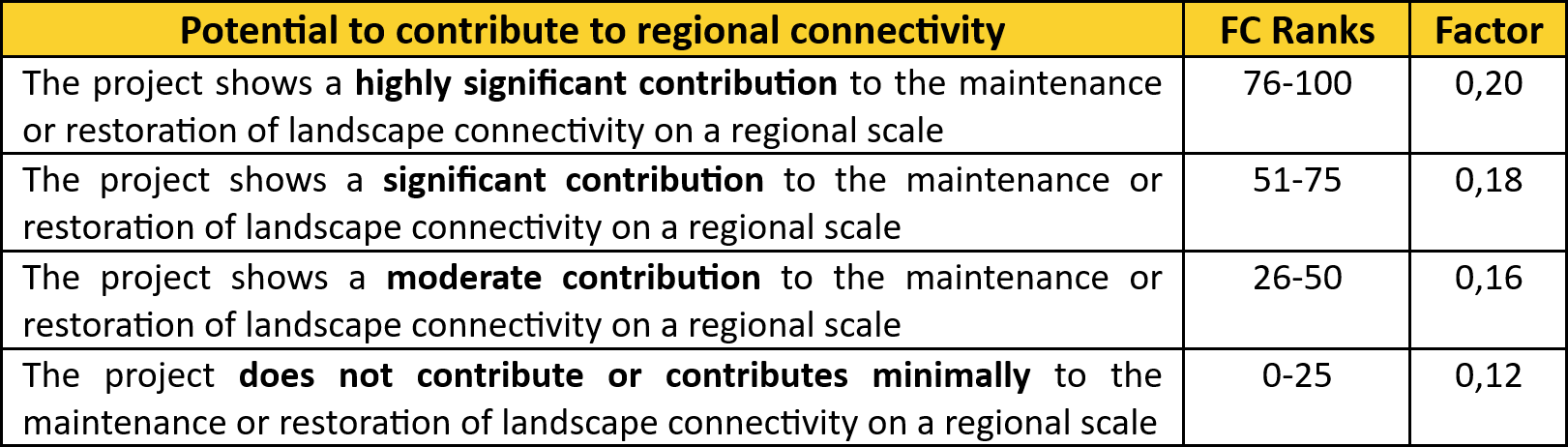
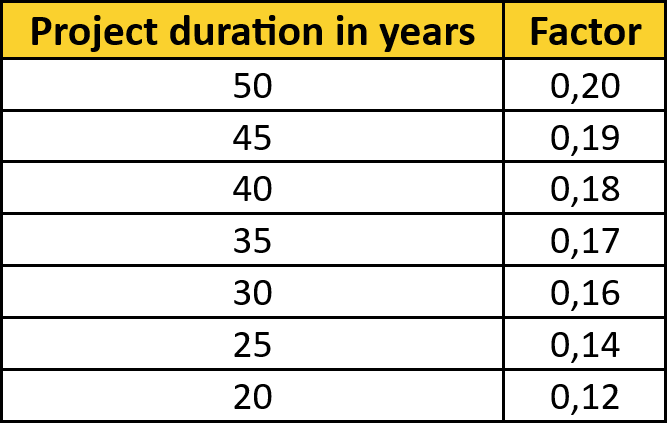
Click “View Table” to see the possible scores for each factor. The higher the score, the more Tebu the project may issue.

F1: Ecosystem Involved
Measures the threat level of the ecosystem where the project is implemented, based on IUCN threat categories.
Broader and more active participation results in a higher score.


F2: Connectivity Opportunity
Assesses the project’s ability to improve ecosystem connectivity and facilitate species movement.
Greater connectivity earns a higher score.


F3: Community Engagement
Evaluates the involvement of local or ethnic communities in project management.
Entre más amplia y activa sea la participación, más alto será el puntaje.


F4: Project Duration
Considers the operational timeline: minimum 20 years, maximum 50. Beyond 50 years, the score does not increase.
Longer durations earn higher scores, allowing more time for ecosystem regeneration.


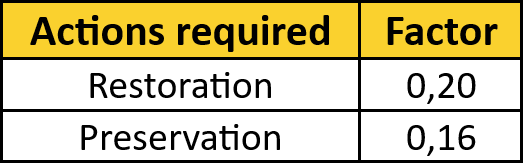
F5: Actions
Distinguishes between conserving well-preserved ecosystems and restoring degraded areas.
More restoration earns a higher score due to the greater effort and cost involved.

Step 2: Use the Equation to Calculate Potential Units
The Tebu calculation combines the scores for each factor with the total project area, the area dedicated to restoration, and the area dedicated to preservation using the following equation:

Where:
• TPA: Total project area in square meters.
• ARes: Area dedicated to restoration actions in square meters.
• APres: Area dedicated to preservation actions in square meters.
• F: Differentiating factor.
The result is divided by 10, since each Tebu represents 10 m² of preserved and/or restored ecosystem.
Use our
Tebu Calculator
What Does It Mean to Release Tebu?
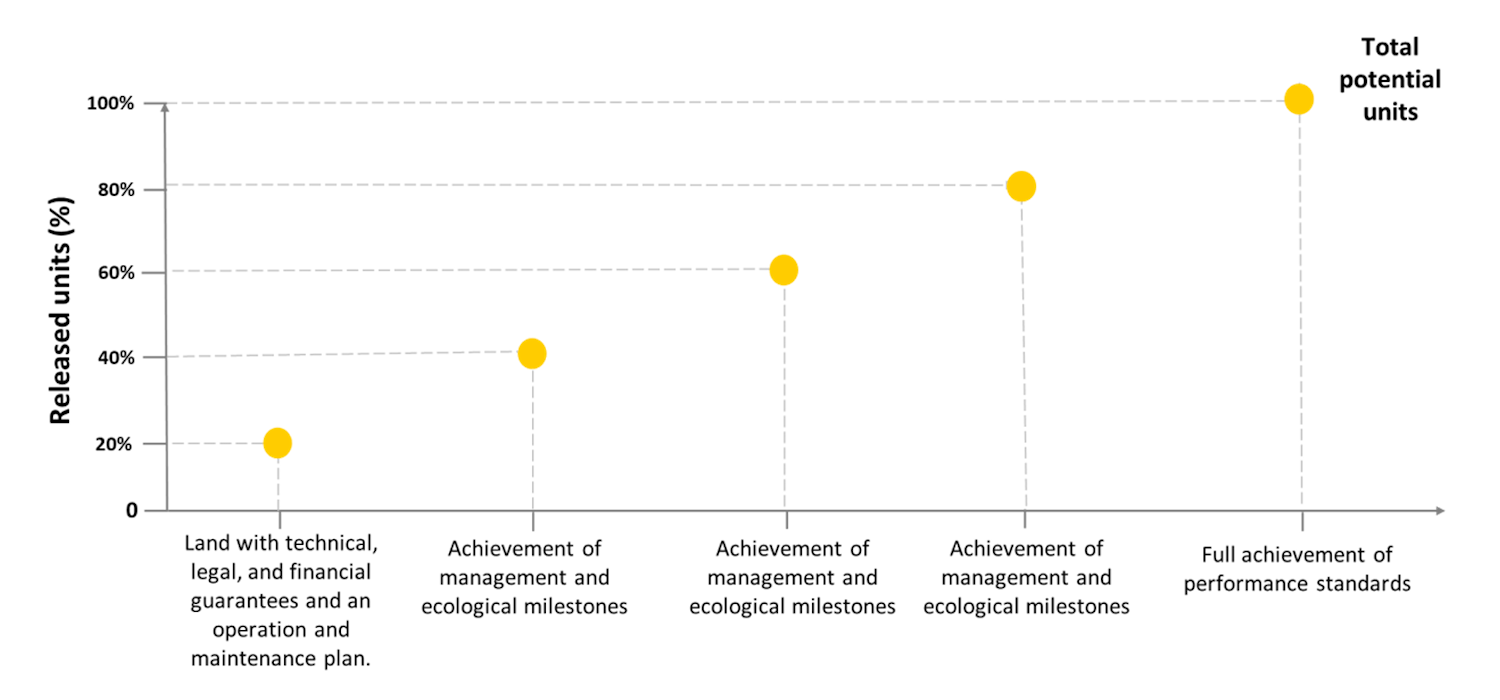
Tebu units are not released all at once at the start of a project. While quantification defines how many potential units an area can generate, they only enter the market as the project demonstrates compliance with ecological and management milestones.
The Protocol establishes a release scheme tied to the achievement of these milestones, validated and verified by an independent third party.
-
Management Milestones: Outcomes related to project structuring and securing legal, financial, and technical guarantees.
-
Ecological Milestones: Outcomes related to the management plan, including improvements to the area’s initial physicochemical and biological conditions
Each time a set of milestones is met, a percentage of Tebu is released, as defined during the project registration process. The Protocol proposes a release scheme in 20% blocks.
What’s the Difference Between Potential, Released, Sold, and Available Tebu?
Potential
Maximum number a project can generate based on the quantification methodology.
Released
Units that have met verified ecological and management milestones and can enter the market.
Sold
Units that have been purchased and can no longer be resold.
Available
Balance between released and sold units; these are currently offered.
Apply the Protocol to Your Projects
Terrasos supports landowners, companies, institutions, and communities throughout the process of applying the Biodiversity Units Protocol to register their projects and issue their own Tebu.