



COP16, our opportunity to boost biodiversity conservation.
30/09/2024
Terrasos Highlights COP16 and Biodiversity Financing: The Key to Global Sustainability
26/11/2024COP16, our opportunity to boost biodiversity conservation.
30/09/2024Terrasos Highlights COP16 and Biodiversity Financing: The Key to Global Sustainability
26/11/2024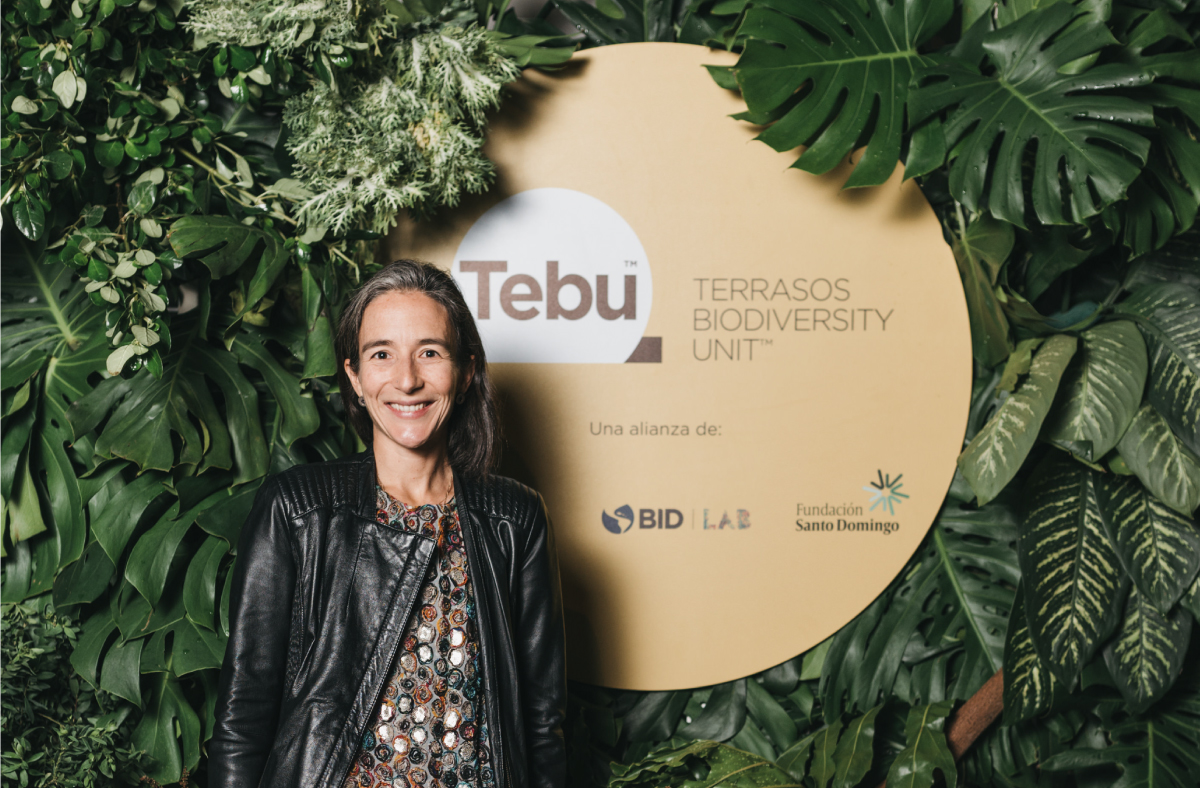
Terrasos, in partnership with Fundación Santo Domingo and BID Lab, launches Tebu.
• The Alto Río San Juan Habitat Bank - Yerrecuy, the first Habitat Bank in Colombia registered by an Afro-descendant community, utilizes Terrasos' Tebu Biodiversity Units as an innovative financial mechanism.
• Tebu is a pioneering solution in Latin America and globally for biodiversity conservation. Each Tebu supports the preservation and restoration of 10 m² of threatened ecosystems for 30 years across the El Globo, Aguadulce, and Alto Río San Juan Yerrecuy Habitat Banks.
• This conservation mechanism aims to protect threatened species such as the yellow-eared parrot, red-fronted parrotlet, black-bellied wren, spectacled bear, giant anteater, lowland paca, ocelot, crab-eating fox, and the magnolia tree, among others. It also safeguards numerous water sources and hydrological reserves.
• This tool contributes to achieving international goals, including the Sustainable Development Goals (SDGs) and the Kunming-Montreal Global Biodiversity Framework. In Colombia, it impacts over 1,450 hectares and generates more than 50 direct and indirect jobs.
Bogotá, October 8, 2024. Tebu, short for "Terrasos Biodiversity Units," is a tool created and developed by Terrasos in partnership with BID Lab and Fundación Santo Domingo, with the support of the Ministry of Environment and Sustainable Development. This platform delivers a tangible impact on biodiversity, addressing challenges such as biodiversity loss and climate change through tailored solutions that protect ecosystems vital to Colombia and the planet's equilibrium.
This pioneering and innovative mechanism for issuing Voluntary Biodiversity Credits is unique in Latin America and globally. It brings together diverse stakeholders to drive exceptional conservation projects within an emerging market. Tebu allows for the issuance of 10 m² units of threatened ecosystems, guaranteeing their conservation for 30 years under strict technical, financial, and legal standards, adhering to principles of traceability, permanence, rigor, transparency, and additionality.
This initiative integrates Biodiversity Credits with blockchain technology. Tebus represent tangible conservation achievements based on principles of result-based payments and third-party certification through validation and verification processes. Tebus are purchased as tokens on a blockchain network, ensuring that each unit is unique and immutable. This guarantees authenticity and enables transparent and secure tracking of their origin and history.
Each project is registered on a digital platform such as Biotrust, developed by XM, or Regen Network, which utilizes blockchain technology to account for each biodiversity unit issued, purchased, and retired. This distributed ledger technology ensures the immutability of records and allows public consultation.
Where Are Tebus Implemented?
Tebus are realized through Habitat Banks—conservation areas where preservation and restoration actions are carried out in threatened ecosystems. These banks can issue and commercialize Tebus as an efficient, high-impact instrument for financing long-term biodiversity conservation.
Currently, Tebus are implemented in three Habitat Banks in Colombia:
1) Bosque de Niebla Habitat Bank, El Globo: Located in the Western Andes, on the borders of Támesis and Jardín (Antioquia). This priority ecosystem protects six water springs, 290 bird species, eight amphibian species, 24 reptiles, 12 fish, 29 butterflies, and 76 mammal species.
2) Aguadulce Habitat Bank, Río Sumapaz: Situated in southern Nilo, Cundinamarca, this bank protects fragmented ecosystems, conserving 16 mammal species, 119 bird species, and 92 plant species, including threatened species such as the giant anteater, lowland paca, agouti, crab-eating fox, and ocelot.
3) Alto Río San Juan Habitat Bank, Yerrecuy: The first community-driven Habitat Bank, located in Tadó, Chocó. It preserves and restores species prioritized by the Consejo Comunitario del Alto San Juan (ASOCASAN), a non-profit ethnic-territorial organization, starting with the conservation of 1,335 hectares.
These three ecosystems are considered invaluable treasures of Colombia, crucial for water regulation, carbon sequestration, and nutrient cycling, helping counteract ecosystem loss and fragmentation.
Impact and Benefits
Purchasing Tebus enables companies and organizations to make contributions to biodiversity beyond regulatory requirements, allowing them to attribute project outcomes such as restored ecosystems, enhanced ecological connectivity, conserved species, generated jobs, sequestered carbon, and more. This supports their Nature Positive goals. Additionally, it offers a competitive advantage in a market increasingly aware of biodiversity's importance, boosting value for investors and providing access to more favorable financing.
By acquiring these biodiversity units, companies also contribute to international goals such as the SDGs and the Kunming-Montreal Global Biodiversity Framework. They create employment opportunities rooted in environmental protection and generate sustainable well-being in local communities, which are key to ecosystem conservation.
For more information, contact Giovanni Fonseca Duffó at [email protected] or +57-316-834-6115.