



Protocol Evolution
The Protocol for the issuance of Biodiversity Credits is a living document, continuously developed and improved. Each version has incorporated contributions from communities, experts, and international partners, strengthening its scientific rigor and applicability across different contexts. This participatory process ensures that credits are issued with transparency, traceability, and integrity, responding both to on-the-ground learning and to global standards.
The development of this protocol has been supported by Partnership for Forests, BID Lab, and Fundación Santo Domingo.
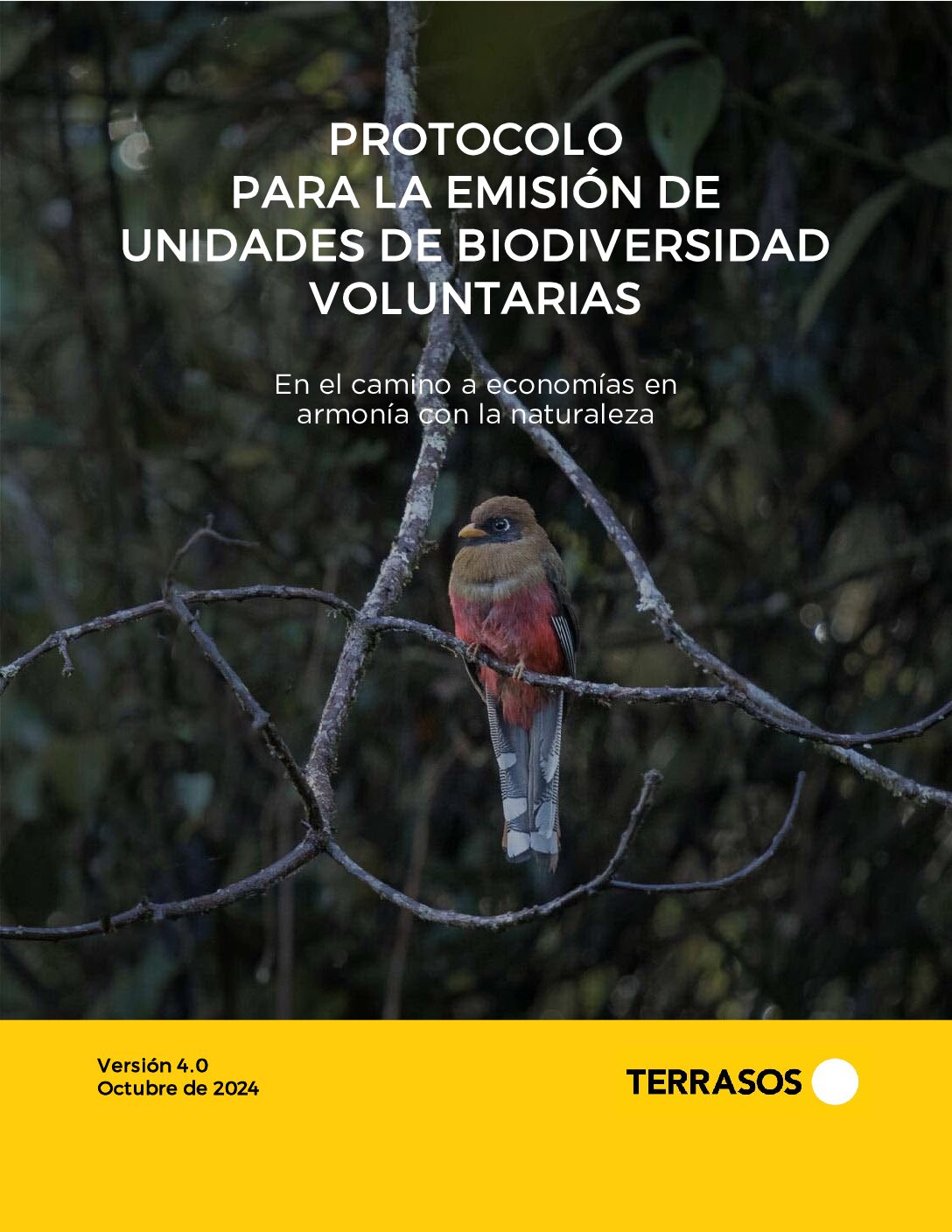
Version 4.0
October 2024
Latest Version
Version 4 of the Protocol consolidated its methodological structure with the incorporation of a new social factor, recognizing the participation of communities and nature stewards in conservation projects.
In addition, existing factors were adjusted: the connectivity methodology was updated, the threat analysis was strengthened by including vulnerability to climate change, and the duration criteria were redefined to incentivize longer-term projects.
The credit release scheme was also clarified, specifying the flexibility of management and ecological milestones. Finally, this version officially adopted the term Voluntary Biodiversity Units to facilitate understanding among audiences outside the environmental sector.
With these improvements, Version 4 reinforces the participatory and scientific nature of the Protocol, ensuring that Biodiversity Credits reflect real benefits for ecosystems and communities.
Environmental Finance Award
September 2023
The Protocol received international recognition with the Best Crediting Innovation (non-carbon) award granted by Environmental Finance magazine, one of the most influential media outlets in green finance.
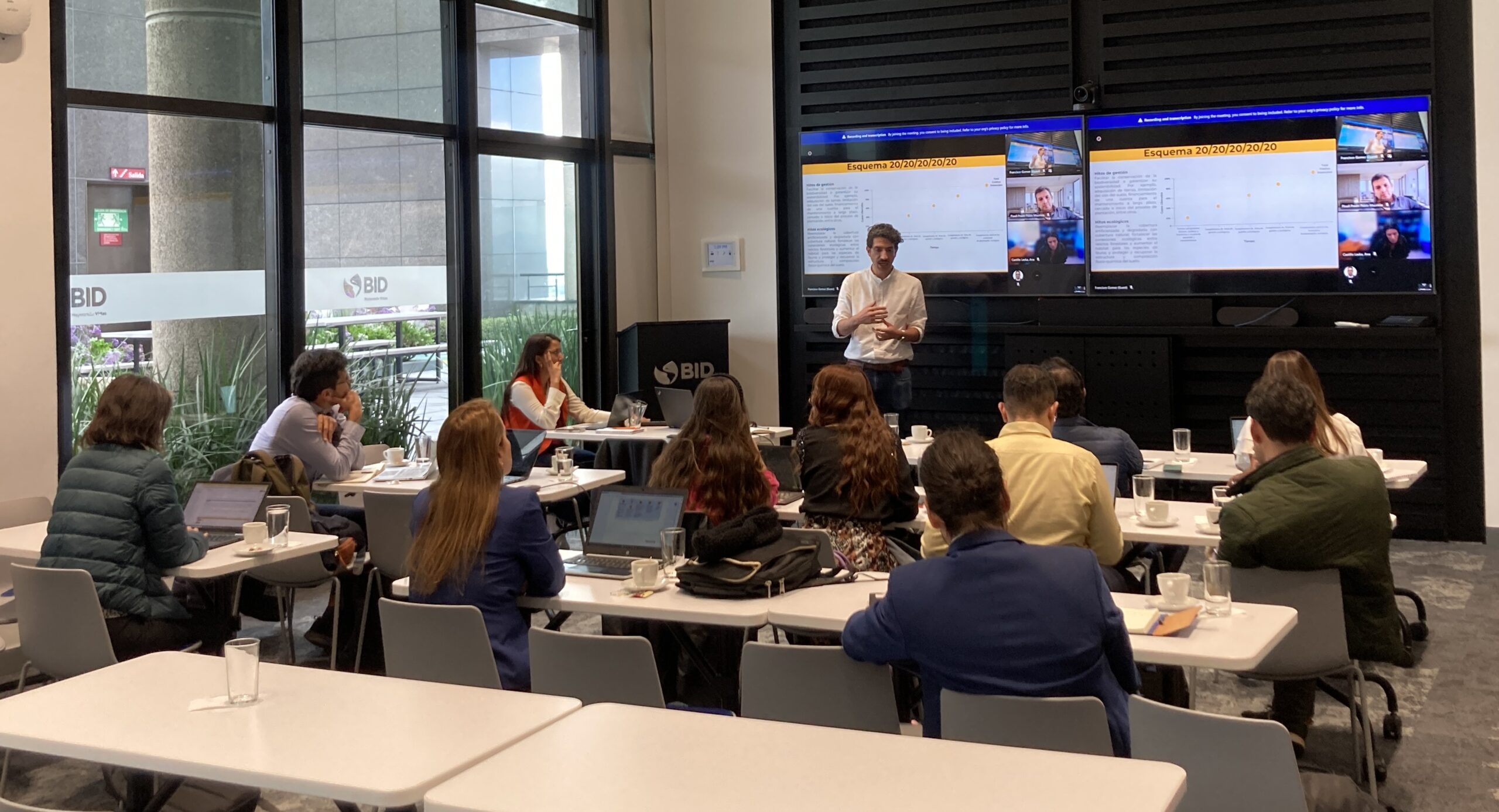
Consultations and Workshops
March – May 2023
In 2023, a broad consultation process was carried out to strengthen the Protocol.
Between March and May, meetings were held with more than 70 participants from diverse backgrounds: academic experts from Colombia, the United Kingdom, the United States, and Australia; representatives from private sector companies interested in new ways to finance conservation; and local communities.
This process gathered more than 250 comments on technical factors, verification schemes, pricing, and participation mechanisms, which were incorporated into Version 4.0. It was a key exercise to ensure the relevance, legitimacy, and global applicability of the Protocol.
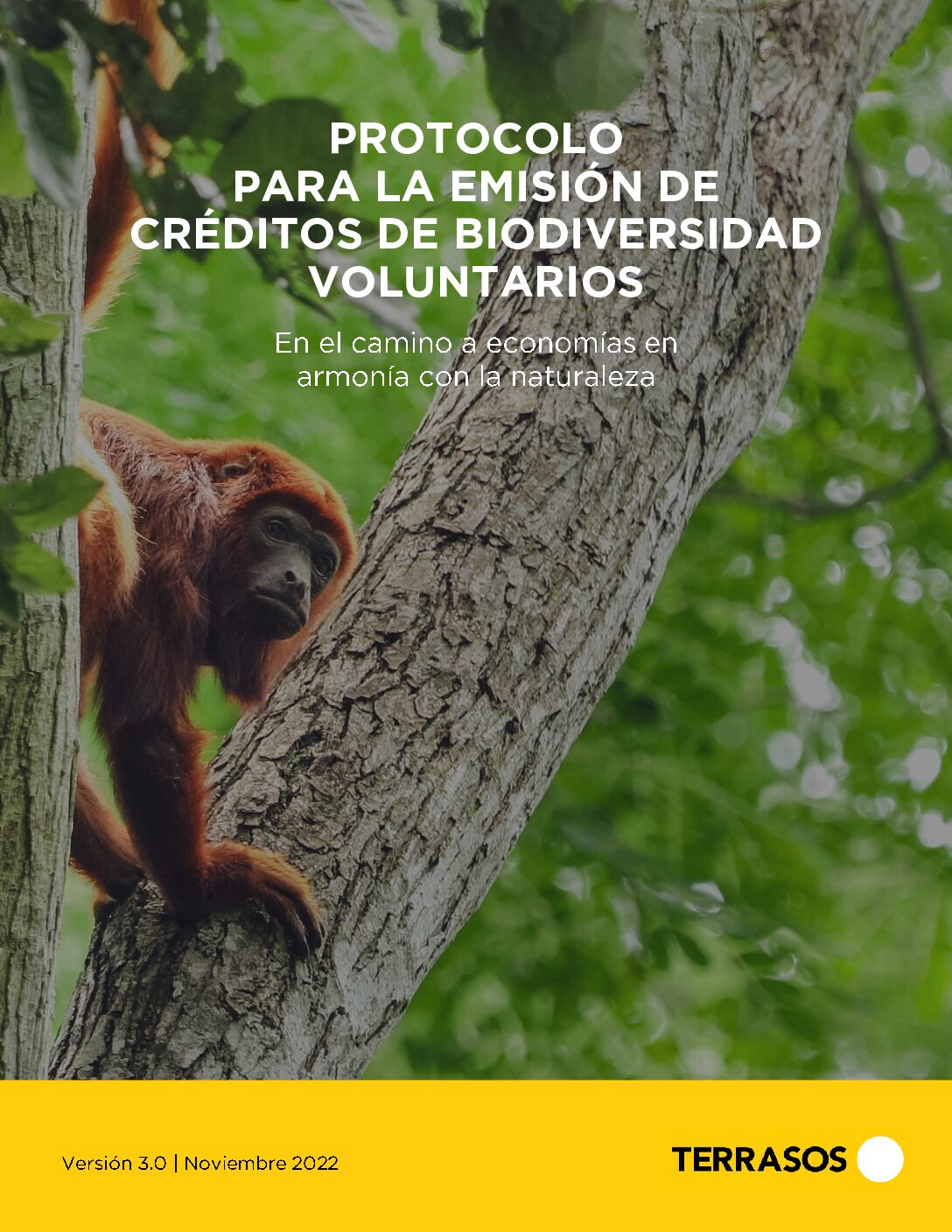
Version 3.0
November 2022
Version 3 of the Protocol marked a key step in its technical and methodological maturation.
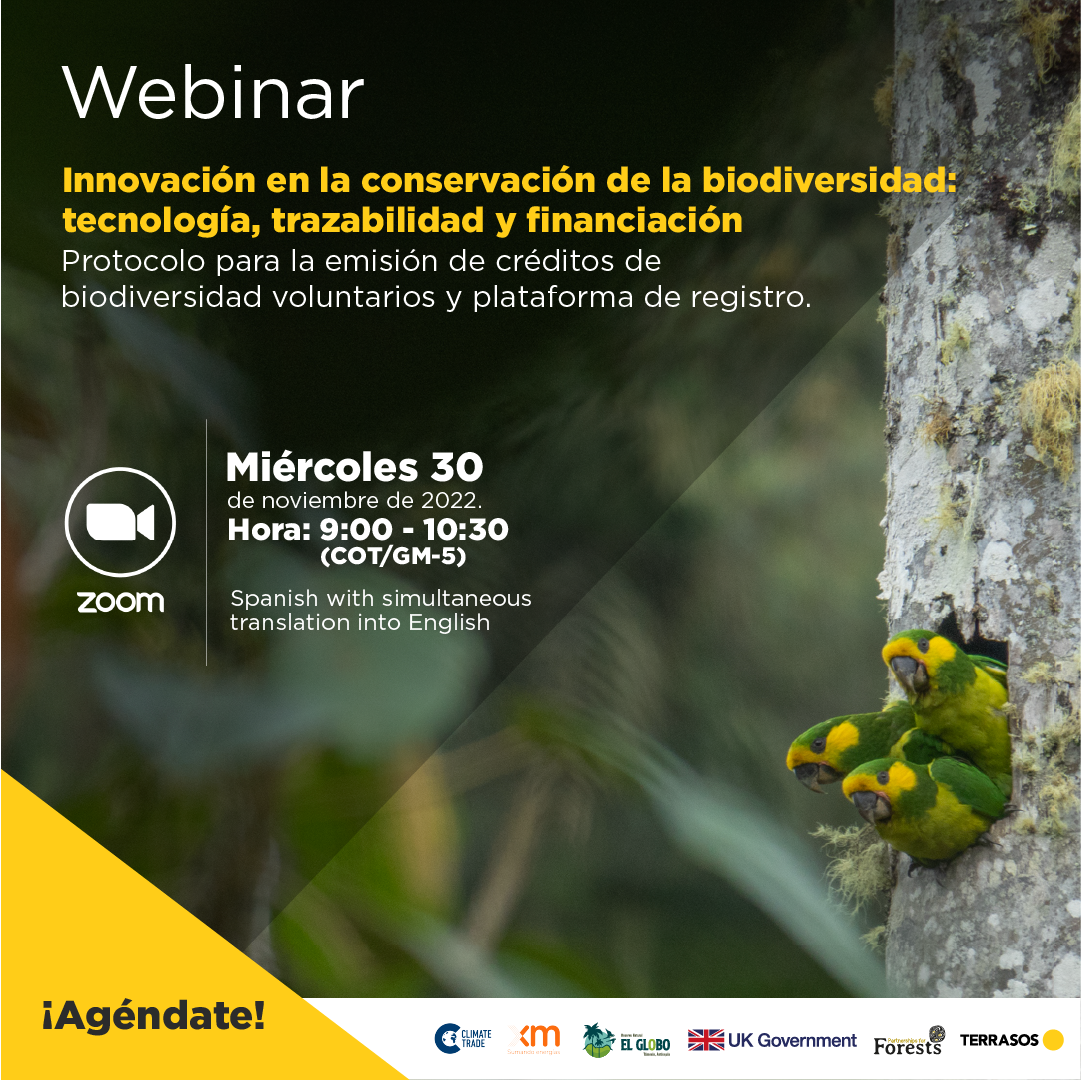
It was presented during the webinar Innovation in biodiversity conservation: technology, traceability, and financing, organized jointly with XM and Partnership for Forests, with more than 140 national and international participants.
This version introduced important adjustments, such as the inclusion of the connectivity factor in the calculation formula, simplification of the equation, and the definition of maximum and minimum scenarios to provide greater market clarity. Transparency was also strengthened by clarifying the role of independent verifiers.

COP 15 and Digital Tokens Challenge
December 2022
- During COP15 in Montreal (December 2022), the historic Kunming–Montreal Global Biodiversity Framework was adopted, including Target 19, which aims to mobilize US$200 billion annually for biodiversity through innovative mechanisms such as biodiversity credits.
- That same month, Terrasos won BID Lab’s Digital Tokens Challenge, which recognized its Protocol as a pioneering solution that combines conservation and climate action through the use of digital markets.
First Steps
May – August 2022
- The Protocol began its journey in 2022 with the publication of the Beta version, made available online to receive feedback from experts and stakeholders in the environmental sector.
- That same year, Terrasos participated in the international webinar Implementing biocredits: making the market work for nature and people, organized by IIED, where it presented its approach to Voluntary Biodiversity Credits for the first time and opened a global dialogue on their potential.
The Protocol continues to evolve.
Send your comments to [email protected]
Tebu Calculator
Calculate the potential Tebu for your project according to the methodology proposed by the Protocol.